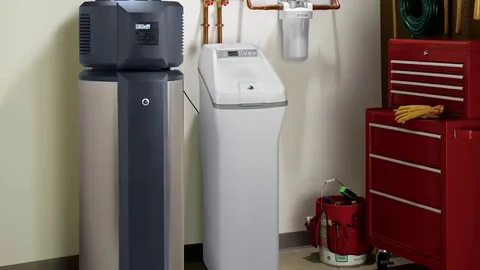
Introduction to Water Softener Issues
Water softeners are essential for removing hard minerals like calcium and magnesium from your water supply, ensuring softer laundry, cleaner dishes, and protected plumbing. However, even the best systems can encounter problems due to wear, improper maintenance, or environmental factors. Common issues include hard water breakthrough, salt bridging, leaks, and low pressure, which can reduce efficiency and lead to costly repairs. Understanding these problems helps homeowners diagnose and fix them quickly, extending the system’s lifespan.
In this article, we’ll explore the most frequent water softener problems, their causes, symptoms, and step-by-step solutions. We’ll also cover prevention strategies to keep your softener running smoothly. Whether you have a traditional salt-based model or a modern salt-free system, these insights apply. Regular maintenance is key—neglecting it can turn minor glitches into major headaches. Let’s break down the top issues and how to address them.
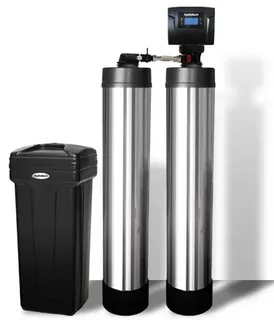
Hard Water Breakthrough
One of the most common complaints is hard water returning despite the softener being active. This “breakthrough” means the system isn’t softening effectively.
- Causes: Exhausted resin beads from overuse, insufficient salt, or incorrect regeneration settings. High iron or manganese in water can also foul the resin.
- Symptoms: Water feels “slippery” but leaves spots on glassware, soap scum in sinks, or scale buildup in pipes. Test strips show hardness above 1 grain per gallon (gpg).
- Solutions:
- Check and refill salt levels to at least 1/3 tank capacity.
- Run a manual regeneration cycle: Add salt, initiate the process via the control valve, and ensure the drain line is clear.
- Clean the resin bed with a commercial cleaner (e.g., resin rejuvenator) every 3-6 months.
- Adjust regeneration frequency based on water usage—use a meter for efficiency.
- Prevention: Monitor hardness weekly and calibrate the system annually. Install a pre-filter for iron removal.
Hard water breakthrough often stems from under-maintenance, but quick fixes restore softness.
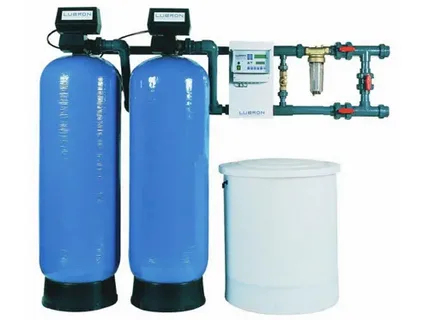
Salt Bridging or Mushing
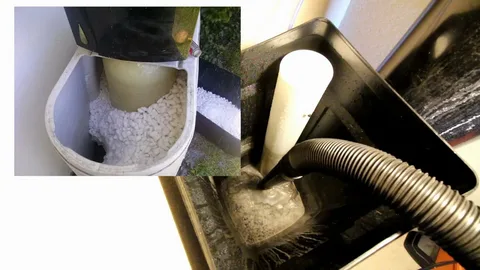
Salt-related issues like bridging and mushing are prevalent in brine tanks, causing regeneration failures.
- Causes: Poor-quality salt (e.g., rock salt) clumps, creating a “bridge” or solid layer. Humidity, temperature changes, or overfilling exacerbate this. Mushing occurs when salt dissolves unevenly, forming a sludge.
- Symptoms: Low water pressure, incomplete regeneration, or visible clumps in the tank. The softener may skip cycles, leading to hard water.
- Solutions:
- Break up bridges by gently poking with a broom handle or wooden dowel—avoid metal to prevent damage.
- Empty the tank, clean with vinegar solution, and refill with high-quality evaporated or pelletized salt.
- Ensure proper ventilation to reduce moisture buildup.
- For mushing, flush the tank and adjust salt dosage.
- Prevention: Use only recommended salt types, keep the tank 1/3 to 1/2 full, and store in a dry area. Clean the tank monthly.
These problems are easy to spot and fix, preventing system downtime.
Leaks and Water Waste
Leaks are a frequent issue, wasting water and signaling potential damage.
- Causes: Worn O-rings, cracked tanks, loose connections, or faulty valves. Corrosion from hard water or age can worsen this.
- Symptoms: Puddles around the unit, hissing sounds, or higher water bills. The brine tank may overflow during regeneration.
- Solutions:
- Inspect all connections, seals, and tanks for cracks. Tighten fittings or replace O-rings (available at hardware stores).
- Check the drain line for clogs—clear with a wire or plumber’s snake.
- Test the bypass valve; ensure it’s fully open or closed as needed.
- If the tank is damaged, consult a professional for repairs or replacement.
- Prevention: Perform weekly leak checks and replace seals annually. Install on a level surface to avoid stress on components.
Addressing leaks promptly saves water and money—average softeners use 50-100 gallons per regeneration.
Low Water Pressure
Reduced pressure is a common problem affecting the entire home.
- Causes: Clogged filters, resin bed fouling, or issues in the control valve. Sediment buildup or air locks can also contribute.
- Symptoms: Slow faucets, weak showers, or inconsistent flow. The softener may make gurgling noises.
- Solutions:
- Clean or replace pre-filters monthly to remove sediment.
- Bleed air from the system by opening faucets until steady flow returns.
- Regenerate manually and check for valve obstructions—lubricate if needed.
- If pressure drops system-wide, inspect the main water line for blockages.
- Prevention: Install a whole-house sediment filter upstream. Monitor pressure monthly with a gauge.
Low pressure often indicates internal clogs, solvable with routine cleaning.
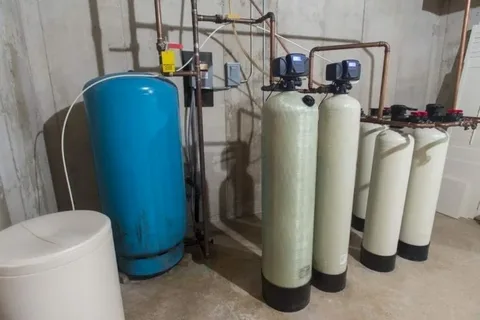
Unusual Noises and Odors
Noises and smells can indicate operational issues.
- Causes: Air in lines (gurgling), valve malfunctions (grinding), or bacterial growth (odors). Salt dust or mold in tanks contributes to smells.
- Symptoms: Gurgling during regeneration, grinding valves, or rotten-egg odors from hydrogen sulfide.
- Solutions:
- For gurgling, bleed air by running hot water. Ensure the drain line is elevated.
- Lubricate or replace faulty valves. Reset the control head if grinding persists.
- Disinfect the system: Add bleach solution (1 cup per 10 gallons) and regenerate. Clean tanks with vinegar.
- For odors, check for iron bacteria and use a resin cleaner.
- Prevention: Ventilate the area, clean tanks weekly, and sanitize annually. Use odor-free salt.
These issues are often benign but can escalate if ignored.
Electrical and Control Problems
Modern softeners have electronic controls that can fail.
- Causes: Power outages, faulty timers, or sensor issues. Corrosion or moisture damage the circuitry.
- Symptoms: System not regenerating, error codes on the display, or inconsistent cycles.
- Solutions:
- Reset the unit by unplugging for 30 seconds and reprogramming.
- Check batteries in battery-operated models; replace annually.
- Inspect wiring for corrosion; seal connections.
- Update firmware if applicable, or replace the control valve.
- Prevention: Use surge protectors and keep the unit dry. Schedule annual professional checks.
Electrical problems require caution—call an electrician if unsure.
Resin Exhaustion and Fouling
Resin is the heart of the softener, but it wears out.
- Causes: Overuse without regeneration, high mineral loads, or contaminants like iron.
- Symptoms: Persistent hard water, reduced capacity, or resin beads turning dark.
- Solutions:
- Regenerate more frequently or increase salt dosage.
- Clean with a resin cleaner to remove buildup.
- Replace resin every 10-15 years or when capacity drops significantly.
- Test water for iron and install a filter if needed.
- Prevention: Follow usage guidelines and maintain proper regeneration schedules.
Fouling shortens lifespan, but cleaning extends it.
Prevention and Maintenance Strategies
To avoid these problems, adopt proactive habits:
- Regular Checks: Weekly salt and leak inspections; monthly regenerations.
- Professional Service: Annual tune-ups by certified technicians.
- Quality Supplies: Use recommended salt and cleaners.
- System Upgrades: Consider smart softeners for alerts.
- Water Testing: Annual tests for hardness and contaminants.
Prevention costs less than repairs—aim for 10-15 years of service life.
Conclusion: Troubleshooting Your Water Softener
Common water softener problems like hard water breakthrough, salt issues, and leaks are often fixable with simple steps. By recognizing symptoms early and maintaining your system diligently, you can ensure consistent soft water and avoid disruptions. If issues persist, consult a professional or your manufacturer’s support. Remember, a well-maintained softener not only saves money but also enhances your home’s comfort. Start troubleshooting today and enjoy the benefits of soft water!