
Introduction to Water Softeners and Why Maintenance Matters
Water softeners are essential appliances in many homes, transforming hard water—laden with minerals like calcium and magnesium—into soft, manageable water. This not only prevents scale buildup in pipes and appliances but also improves soap efficiency, reduces energy costs, and enhances overall water quality. However, like any mechanical system, water softeners require regular maintenance to function optimally and avoid costly repairs.
Neglecting maintenance can lead to issues such as reduced softening capacity, salt bridging, or even system failure. On watersoftener-maintenance.com, we emphasize proactive care to extend your unit’s lifespan, typically 10-15 years with proper upkeep. This guide covers everything from basic routines to advanced troubleshooting, ensuring your water softener delivers soft water year-round.
Understanding Your Water Softener System
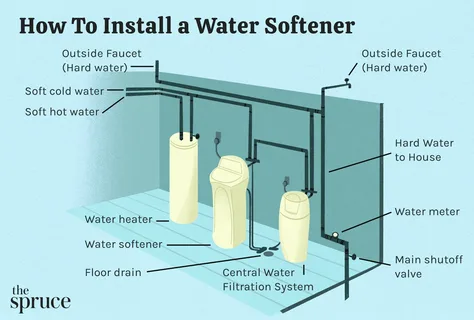
Before diving into maintenance, it’s crucial to understand how water softeners work. Most residential models use ion exchange technology. Hard water enters the resin tank, where calcium and magnesium ions are exchanged for sodium ions from salt (sodium chloride). The softened water then flows out, while the system periodically regenerates by flushing out the minerals and recharging the resin.
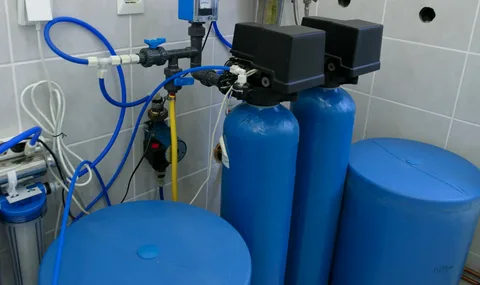
Key components include:
- Resin Tank: Holds the ion-exchange resin beads.
- Brine Tank: Stores salt for regeneration.
- Control Valve: Manages the cycle, including backwashing and rinsing.
- Drain Line: Expels wastewater during regeneration.
Familiarizing yourself with these parts helps in identifying maintenance needs. Always refer to your model’s manual for specifics, as systems vary by brand (e.g., Culligan, WaterBoss, or EcoWater).
Essential Maintenance Tasks: A Step-by-Step Routine
Regular maintenance prevents minor issues from escalating. Aim to perform these tasks monthly, quarterly, and annually, depending on water usage and hardness levels.
Monthly Checks
- Inspect Salt Levels: Ensure the brine tank has enough salt—typically 2-3 inches above the water level. Use high-quality, pelletized salt to avoid clumping. Low salt can lead to inefficient softening.
- Check for Leaks: Look for water around the tanks, valves, or connections. Leaks indicate worn seals or loose fittings, which could waste water and energy.
- Monitor Water Quality: Test your softened water periodically with a hardness test kit. If hardness exceeds 1-3 grains per gallon (gpg), the system may need adjustment or regeneration.
Quarterly Maintenance
- Clean the Brine Tank: Remove any salt buildup or debris. Dissolve and flush out sediment to prevent clogging. Avoid using cleaners that could damage the tank.
- Inspect and Clean the Resin Tank: If your model allows, backwash the resin to remove accumulated minerals. This involves running a manual regeneration cycle.
- Check the Control Valve: Ensure it’s functioning correctly. Listen for unusual noises during regeneration, which might signal a problem.
Annual Deep Clean and Inspections
- Professional Servicing: Hire a certified technician to inspect internal components, calibrate settings, and test for efficiency. This is especially important if your water softener is over 5 years old.
- Replace Filters and Seals: Over time, O-rings and filters wear out. Replace them annually to maintain pressure and prevent leaks.
- Adjust Settings: Based on your water hardness (measured in gpg), set the regeneration frequency. For example, very hard water (above 10 gpg) may require more frequent cycles.
By following this routine, you can avoid common pitfalls like resin fouling or valve malfunctions, saving on repair costs.
Troubleshooting Common Water Softener Issues
Even with diligent maintenance, problems can arise. Here’s how to diagnose and fix the most frequent ones:
Low Water Pressure or Flow
- Cause: Clogged resin, blocked drain line, or faulty valve.
- Solution: Perform a manual backwash. Check and clear the drain line of debris. If issues persist, inspect the valve for blockages.
Salt Bridging or Mushing
- Cause: Improper salt type or high humidity causing salt to clump.
- Solution: Break up the bridge with a broom handle (avoid metal tools). Switch to evaporated salt and ensure the tank is covered to reduce moisture.
Foul Odors or Taste
- Cause: Bacterial growth in the resin or brine tank.
- Solution: Sanitize the system with a water softener cleaner or bleach solution (follow manufacturer guidelines). Run multiple regeneration cycles to flush out contaminants.
Excessive Regeneration
- Cause: Incorrect settings or high water usage.
- Solution: Recalibrate the control valve based on your water hardness test. Consider a demand-initiated regeneration (DIR) system for efficiency.
System Not Regenerating
- Cause: Power outage, timer malfunction, or low salt.
- Solution: Reset the timer and check electrical connections. Ensure salt levels are adequate.
If troubleshooting doesn’t resolve the issue, contact a professional to avoid voiding warranties or causing further damage.
Advanced Tips for Optimal Performance
To maximize your water softener’s efficiency:
- Monitor Usage: Track water consumption to adjust regeneration schedules. High-usage households may need larger systems.
- Upgrade to Smart Features: Modern softeners with Wi-Fi connectivity allow remote monitoring and automatic adjustments.
- Environmental Considerations: Use potassium chloride instead of sodium chloride for health-conscious users, though it’s pricier.
- Energy Efficiency: Position the unit in a cool, dry area to reduce evaporation and energy use during regeneration.
- Water Testing: Get your water tested annually by a lab to detect contaminants beyond hardness, like iron or pH levels.
The Benefits of Regular Maintenance
Investing time in maintenance yields significant returns. Softened water reduces appliance repairs (e.g., fewer scale deposits in dishwashers), lowers utility bills (softer water heats faster), and improves skin and hair health. Moreover, a well-maintained system contributes to environmental sustainability by minimizing water waste during inefficient cycles.
At watersoftener-maintenance.com, we provide resources, tutorials, and expert advice to help you maintain your system. Remember, prevention is key—start a maintenance log to track tasks and note any changes in performance.
Conclusion: Take Control of Your Water Quality
Maintaining a water softener isn’t just about convenience; it’s about protecting your home and health. By following this guide, you can ensure your system operates efficiently for years. If you’re new to water softeners or facing challenges, explore our site for more in-depth articles, product reviews, and DIY guides. Stay proactive, and enjoy the benefits of soft water every day.