Introduction to Water Softener Maintenance
Water softeners are invaluable appliances that remove hard minerals like calcium and magnesium from your water, preventing scale buildup, soap scum, and appliance damage. However, like any system, they require regular maintenance to function efficiently and last longer. Neglecting upkeep can lead to costly repairs, reduced water quality, and even health issues from bacterial growth. In this comprehensive guide, we’ll cover essential water softener maintenance tips, from daily checks to annual servicing. Whether you have a salt-based ion exchange softener, a salt-free magnetic system, or a reverse osmosis unit, these tips apply broadly. By following them, you can extend your system’s lifespan by 10-15 years and save on utility bills.
Proper maintenance not only ensures soft water but also protects your plumbing, appliances, and skin from the effects of hard water. Let’s dive into the key tips, backed by expert advice and practical steps.

Understanding Your Water Softener System
Before diving into maintenance, it’s crucial to know your system’s type and components. Most residential softeners are ion exchange units that use resin beads and salt to swap hard ions for sodium. Key parts include:
- Resin Tank: Holds the ion-exchange resin.
- Brine Tank: Stores salt for regeneration.
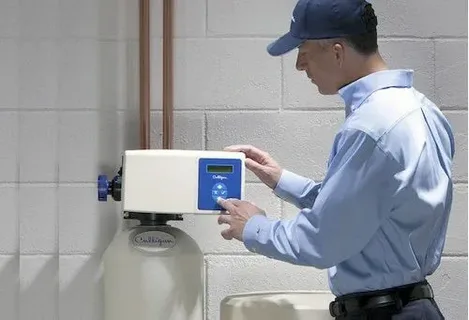
- Control Valve: Manages the softening and regeneration cycles.
- Drain Line: Removes wastewater during regeneration.
Salt-free systems use magnets or crystals, requiring less maintenance but different care. Familiarize yourself with your model’s manual for specifics.
Daily and Weekly Maintenance Tips
Routine checks prevent minor issues from escalating. Incorporate these into your schedule:
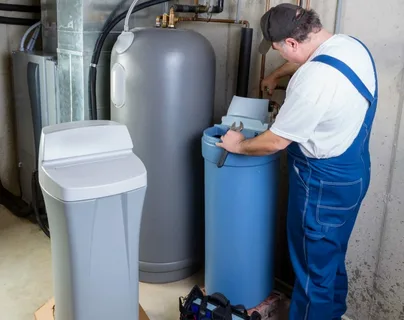
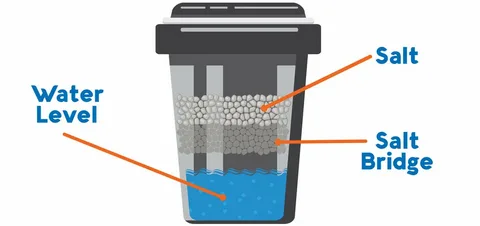
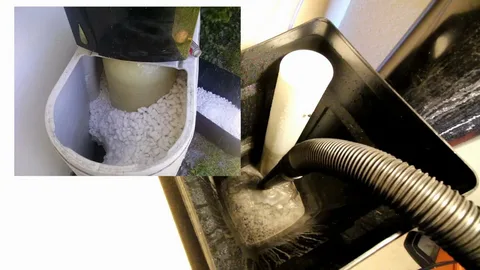
- Check Salt Levels Weekly: Ensure the brine tank has enough salt (at least 1/3 full). Use high-quality, pelletized salt to avoid bridging (salt clumps). Refill as needed, and clean any residue.
- Inspect for Leaks: Look for water drips around tanks, valves, or pipes. Tighten connections or replace seals if spotted—leaks can waste water and indicate wear.
- Monitor Water Pressure: Soft water should flow at 60-80 PSI. Low pressure might signal clogs; high pressure could damage components. Use a gauge to check monthly.
- Clean the Brine Tank: Wipe down the tank weekly to remove salt dust or mold. Use a mild vinegar solution for disinfection.
- Test Water Hardness: Use test strips or kits weekly to confirm softness (aim for 0-1 grain per gallon). If hardness increases, it may indicate resin exhaustion.
These simple habits take minutes but can avert breakdowns. Set reminders on your phone for consistency.
Monthly Maintenance Routines
Monthly tasks focus on deeper cleaning and calibration:
- Regenerate the System Manually: If your softener isn’t set to auto-regenerate, run a manual cycle. This flushes out minerals and refreshes resin. Check your manual for steps—typically, it involves adding salt and initiating the process.
- Clean the Resin Bed: Add a resin cleaner (available online) monthly to remove iron or manganese buildup. Follow product instructions to avoid damage.
- Flush the System: Run hot water through faucets for 5-10 minutes to clear any residual buildup. This is especially important if you notice spots on dishes.
- Inspect and Clean Filters: Many softeners have pre-filters; rinse or replace them monthly to prevent sediment from clogging the resin.
- Calibrate the Control Valve: Ensure the timer or meter is accurate. Adjust based on water usage—over-regeneration wastes salt and water.
Monthly maintenance ensures optimal performance, especially in hard water areas where mineral deposits accumulate faster.
Seasonal and Annual Maintenance Tips
Seasonal changes affect water softener efficiency due to temperature fluctuations and usage spikes:
- Spring Cleaning: After winter, inspect for freeze damage (e.g., cracked tanks). Clean thoroughly and test for leaks.
- Summer Checks: High usage in summer can deplete salt faster—monitor levels closely. Ensure ventilation to prevent overheating.
- Fall Preparation: Before cold weather, insulate tanks if in unheated areas. Drain and winterize if necessary.
- Annual Professional Service: Hire a technician annually for a deep inspection. They can check resin condition, test for bacteria, and recalibrate. Expect to pay $100-200, but it’s worth it for longevity.
- Replace Components: Annually, replace O-rings, seals, and filters. Resin lasts 10-15 years but may need topping up.
Seasonal upkeep prevents weather-related failures and keeps your system efficient year-round.
Troubleshooting Common Issues
Even with maintenance, problems arise. Here’s how to address them:
- Hard Water Breakthrough: If water feels hard, regenerate manually or add more salt. Check for exhausted resin.
- Salt Bridging or Mushing: Break up clumps with a broom handle. Use evaporated salt to prevent.
- Low Water Pressure: Clean filters or check for clogs in the drain line. Ensure the bypass valve is open.
- Unusual Noises: Gurgling might indicate air in lines—bleed the system. Grinding could mean valve issues.
- High Salt Usage: Adjust regeneration settings or check for leaks. A meter-based system saves salt.
- Odors or Taste Issues: Clean tanks and replace resin if contaminated. Use potassium chloride for low-sodium options.
For persistent issues, consult a professional. DIY fixes are great, but expertise ensures safety.
Benefits of Regular Water Softener Maintenance
Maintaining your water softener yields significant rewards:
- Cost Savings: Prevents repairs (softeners cost $500-2,000 to replace) and reduces energy bills by up to 20% from efficient appliances.
- Improved Water Quality: Consistent softness means cleaner clothes, softer skin, and better-tasting water.
- Health and Home Protection: Reduces scale in pipes, extending plumbing life by decades. Soft water is gentler on skin and hair.
- Environmental Impact: Efficient systems use less water and salt, minimizing waste.
- Peace of Mind: Regular checks catch issues early, avoiding emergencies like burst pipes.
Studies from the Water Quality Association show well-maintained softeners last longer and perform better, justifying the effort.
Advanced Tips for Long-Term Care
For enthusiasts or complex systems:
- Upgrade to Smart Features: Invest in Wi-Fi-enabled softeners for remote monitoring and alerts.
- Use Eco-Friendly Salt: Switch to potassium-based options for health-conscious households.
- Integrate with Whole-Home Systems: Combine with filters for comprehensive water treatment.
- Track Usage: Monitor water hardness and salt consumption to optimize settings.
- Educate Yourself: Join forums or read resources from brands like Culligan or WaterBoss.
These tips enhance efficiency and align with modern, sustainable living.
Conclusion: Make Maintenance a Habit
Water softener maintenance is straightforward yet essential for a healthy home. By following these tips—daily checks, monthly cleans, seasonal prep, and annual services—you’ll enjoy soft water for years. Start today: inspect your system, schedule a service, and reap the benefits of cleaner, more efficient water. Remember, a little effort now saves big headaches later. If you have a specific softener model, consult its manual for tailored advice. Stay hydrated with soft water!